Introduction
The reported removal of Edwin Lutyens’ bust from Rashtrapati Bhavan has triggered a fresh debate over colonial legacy, architectural heritage, and national identity. His great-grandson in the UK criticized the move, arguing that Lutyens’ architectural contributions should be viewed separately from British imperial politics.
But beyond the symbolism, this development raises an important real estate question:
Does heritage controversy affect the brand value and investment outlook of Lutyens’ Delhi — India’s most exclusive residential zone?
Let’s break it down.
Why This Is Bigger Than Just a Bust Removal
The controversy goes beyond a statue.
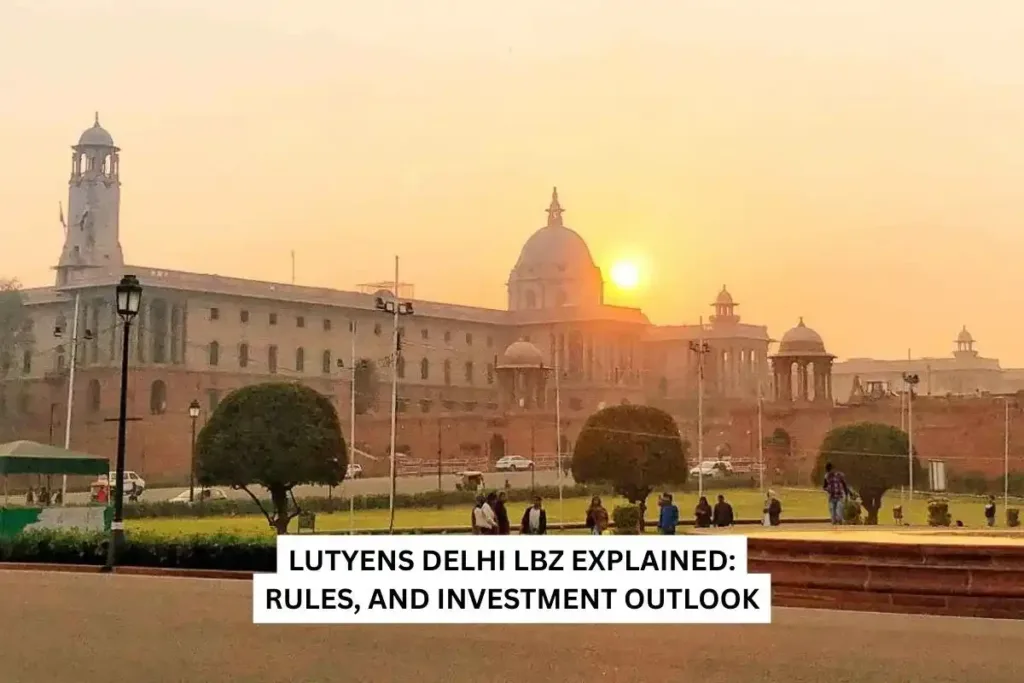
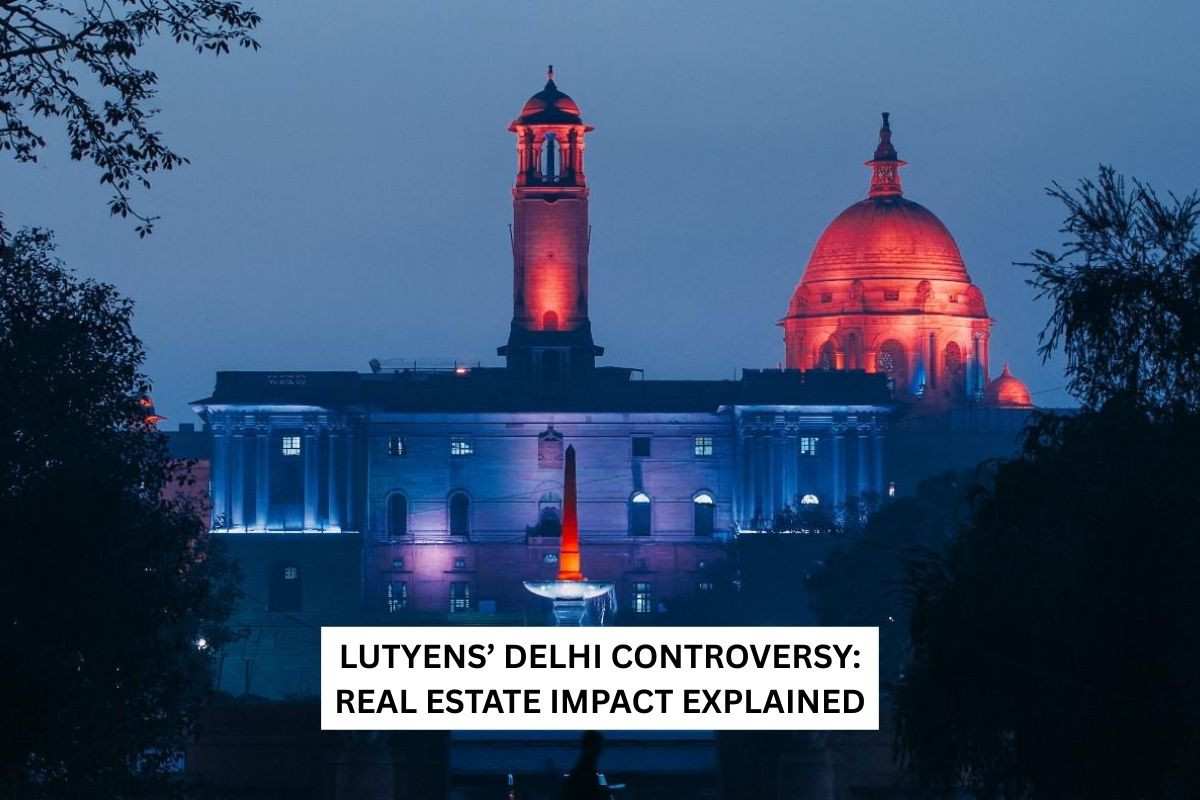
Edwin Lutyens was the principal architect of New Delhi’s central administrative district, including Rashtrapati Bhavan (formerly Viceroy’s House). His work shaped:
- The Central Vista layout
- The grand avenues of New Delhi
- The low-density bungalow planning model
The removal debate reflects a broader national shift:
- Re-evaluating colonial symbols
- Redefining architectural identity
- Repositioning India’s power institutions
However, in real estate terms, symbolism and asset fundamentals often move on different tracks.
Inside Lutyens’ Delhi
The Architecture That Built Power — And Property Value
Lutyens designed New Delhi as a seat of imperial authority. Ironically, that same planning now defines India’s most powerful addresses.
Key Design Features That Impact Real Estate
- Large plot sizes (often 1–2.5 acres)
- Strict height restrictions
- Extensive green cover
- Low-density zoning
- Wide ceremonial roads
These elements created scarcity.
| Feature | Real Estate Impact |
|---|---|
| Low Density | Limited Supply |
| Heritage Protection | Controlled Redevelopment |
| Government Proximity | High Prestige Value |
| Diplomatic Presence | Stable Demand |
Today, Lutyens’ Delhi is not just heritage — it is a generational wealth asset class.
What Happens When Heritage Meets Politics?
In recent years, India has:
- Renamed major roads
- Redesigned the Central Vista
- Reinterpreted colonial-era narratives
The bust removal fits within this broader cultural repositioning.
But does it impact property values?
Historically:
- Luxury real estate responds more to supply-and-demand fundamentals than to symbolism.
- Institutional and ultra-HNI buyers prioritize location, security, and long-term capital appreciation.
For investors, political symbolism rarely overrides structural advantages such as:
- Ultra-limited supply
- High entry barriers
- Central governance proximity
The “Lutyens” brand may evolve, but its location advantage remains intact.
Lutyens’ Delhi: India’s Most Protected (and Expensive) Zone
Strict planning norms govern the Lutyens Bungalow Zone (LBZ).
Key Regulatory Controls
- No plot subdivision
- Strict ground coverage limits
- Height restrictions
- Tree preservation mandates
- Heritage oversight approvals
Leasehold vs Freehold Complexity
Many properties are:
- Long-term government leasehold
- Subject to NDMC regulations
- Bound by redevelopment constraints
These restrictions reduce speculative oversupply, which keeps valuations high.
Scarcity drives price resilience.
Does This Controversy Change Investment Outlook?
From a purely financial perspective:
Short-Term Impact
- Media attention
- Cultural debate
- Sentiment-based reactions
Long-Term Fundamentals
- Central location in New Delhi
- Diplomatic and political demand
- Ultra-high-net-worth buyer interest
- Extremely limited inventory
Luxury markets operate differently from mid-segment housing.
| Risk Factor | Impact on LBZ |
|---|---|
| Political Narrative Shifts | Low |
| Heritage Reinterpretation | Minimal |
| Supply Increase | Extremely Unlikely |
| Demand from Elite Buyers | Stable |
Conclusion: The asset class remains structurally strong.
Colonial Legacy vs Modern Identity: The Urban Shift
The debate highlights a broader question:
Should India preserve colonial architecture as heritage, or reinterpret it within a modern national framework?
Regardless of symbolic repositioning:
- Rashtrapati Bhavan remains a global architectural landmark.
- Lutyens’ Delhi continues to function as the administrative heart of India.
- Prestige value remains deeply embedded in its geography.
Urban identity may evolve — but zoning laws and land scarcity remain constant.
Key Takeaways for Luxury Real Estate Stakeholders
For Investors
- Political symbolism rarely disrupts the value of hard assets.
- Supply restrictions support long-term appreciation.
- LBZ remains a prestige-driven micro-market.
For Developers
- Redevelopment remains heavily regulated.
- Heritage compliance is non-negotiable.
For Policy Observers
- Cultural repositioning does not automatically mean market disruption.
FAQs
Why was Edwin Lutyens’ bust removed from Rashtrapati Bhavan?
Reports suggest it aligns with broader symbolic and heritage repositioning efforts in public institutions.
Who designed Rashtrapati Bhavan?
British architect Edwin Lutyens designed it as part of the New Delhi capital project.
What is Lutyens’ Delhi known for?
Large bungalows, strict zoning norms, diplomatic residences, and ultra-luxury real estate.
Are properties in Lutyens’ Delhi freehold?
Many are government leasehold with strict regulatory controls.
Does controversy affect luxury real estate prices?
In ultra-prime zones with limited supply, fundamentals usually outweigh symbolism.
Final Perspective
The removal of a bust may spark headlines — but real estate markets operate on scarcity, regulation, and location strength.
Lutyens’ Delhi remains:
- India’s most powerful residential address
- One of its most supply-constrained markets
- A long-term wealth preservation zone
Heritage narratives may evolve.
But prime land in the heart of the capital remains prime.