
Introduction
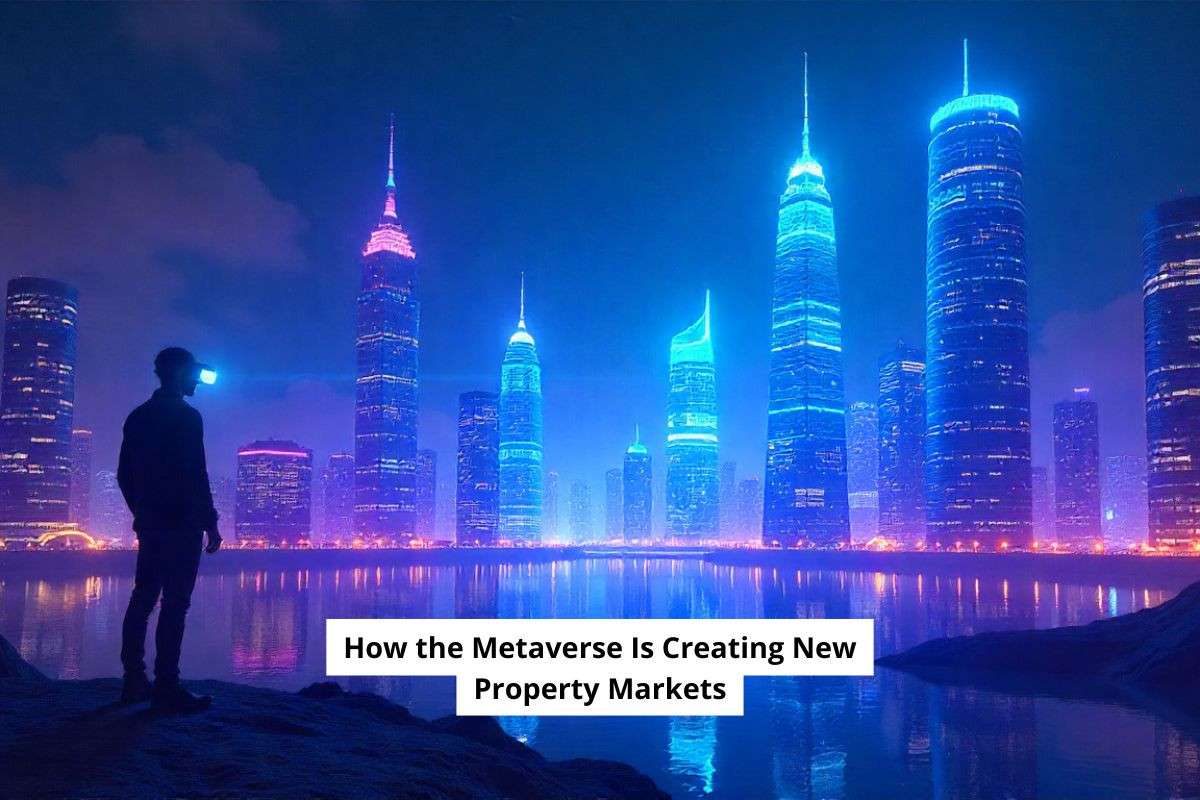
The real estate boom is moving beyond physical cities. A new market is rising inside the Metaverse — a digital universe where people buy, sell, and build on virtual land. This land isn’t physical, but it can be owned, traded, and developed just like real property. Investors are entering early to capture opportunities in this fast-growing digital economy.
What Is Metaverse Real Estate?
Metaverse real estate refers to digital parcels of land inside virtual worlds. Each plot is recorded on a blockchain as a non-fungible token (NFT) — making it unique and verifiable.
Key Features
- Each land parcel has coordinates and a limited supply.
- Owners can build digital spaces like stores, homes, or events.
- Plots can be bought, sold, or rented for income.
- All transactions happen using cryptocurrency.
Why Investors Are Paying Attention
The attraction of virtual real estate lies in the familiarity of real-world economics and the limitless creativity of digital spaces.
Main Reasons to Invest
- Scarcity – Limited number of plots increases long-term value.
- Digital Location – Plots near busy or popular areas cost more.
- Monetization – Owners can rent space, host events, or sell ads.
- Early-Mover Advantage – Being first in a new digital market.
Just as early investors benefited from the internet boom, Metaverse landowners are betting on digital expansion.
How Virtual Property Markets Work?
| Stage | Action | Example Outcome |
|---|---|---|
| Buying | Purchase a plot on a blockchain platform. | Ownership of virtual land recorded as NFT. |
| Building | Develop digital assets (homes, shops, art spaces). | Increase land value. |
| Earning | Rent or lease to others for events or ads. | Generate passive income. |
| Trading | Sell to another investor or collector. | Realize profit from appreciation. |
Global Trends in Virtual Real Estate
| Region / Country | Investment Focus | Market Insights |
|---|---|---|
| United States | Early institutional entry, strong VC interest. | Virtual property tied to gaming and branding. |
| Europe | High adoption in creative industries. | Used for digital events and marketing experiences. |
| Asia | Millennials driving participation. | Blending gaming, finance, and virtual commerce. |
| Middle East | Governments exploring metaverse cities. | High tourism and luxury focus. |
| India | Emerging interest from tech-savvy investors. | Affordable entry, growing NFT awareness. |
Risks to Keep in Mind
Metaverse real estate offers opportunities, but the market is still in its early, high-risk phase.
Common Risks
- Price volatility – Values can swing fast.
- Platform risk – If a virtual world loses users, land value falls.
- Regulation gaps – Virtual ownership laws are still evolving.
- Security – Digital wallets need strong protection.
Smart investors treat it as a high-potential, high-risk asset — not a replacement for real-world property.
The Future: Physical + Digital (Phygital) Real Estate
The next real estate era will combine physical assets and digital twins.
- Developers are creating 3D replicas of real buildings for virtual tours.
- Investors may soon earn rent from both physical and virtual versions of the same property.
- AI and AR will blur the lines between online and offline real estate experiences.
Metaverse property is just the beginning of this hybrid evolution.
How to Explore the Metaverse Property Space Safely
- Research – Understand how blockchain property ownership works.
- Start Small – Try fractional or lower-cost plots.
- Diversify – Mix digital and physical investments.
- Use Trusted Platforms – Always verify sellers and contracts.
Treat early investments as a learning experience, not a quick-profit scheme.
FAQs
Metaverse property refers to digital land or buildings inside virtual worlds. Each asset is stored on a blockchain, allowing ownership, trade, and development — just like real-world property.
Land prices in the Metaverse vary by platform and location. Some parcels sell for a few hundred dollars, while prime spots can go for thousands or even more.
It can — but it’s risky. Profits depend on the platform’s growth, user engagement, and resale demand. Treat it like a speculative tech investment, not traditional real estate.
Yes, it’s legal to own virtual property through NFTs or tokens. However, there are no specific real estate laws for the Metaverse yet — it’s governed under digital asset rules.
You’ll need a crypto wallet, tokens like ETH or MANA, and access to a marketplace such as Decentraland or The Sandbox to purchase available plots.
Yes — you can invest in gaming tokens, metaverse ETFs, or companies developing virtual platforms instead of directly owning virtual plots.
The Metaverse has multiple layers, from hardware and networking to user experience and virtual economies. Together, they form the foundation for digital worlds.
The 7% rule suggests your rental income should equal about 7% of your property’s value. While it’s common in physical real estate, virtual property returns depend more on engagement and token value.
Final Thought
Metaverse real estate might feel futuristic — but so did online shopping and cryptocurrency once. For millennials and tech investors, this new form of property ownership represents the intersection of technology, creativity, and wealth-building. It’s not about where the land is, but who’s building the future on it.